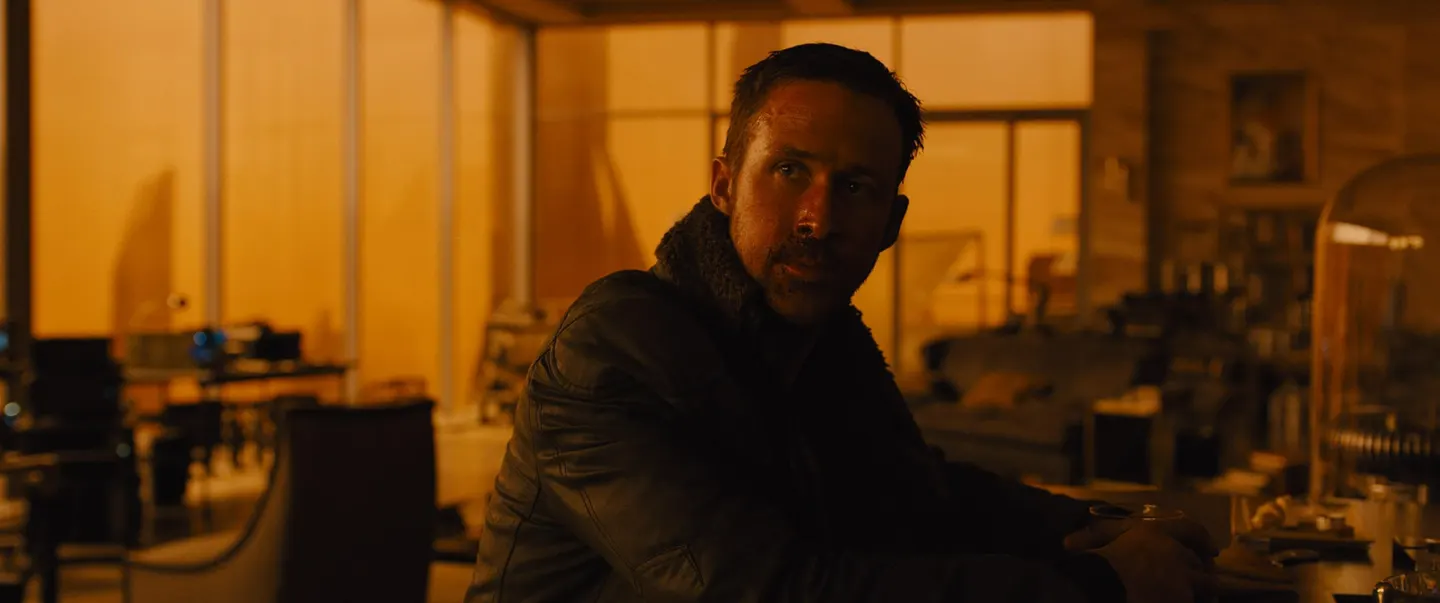

In Blade Runner 2049, memory is a setup.
It is manufactured.
It is implanted.
It is felt as real without ever having been lived.
The film frames this as an illusion of specialness. But the deeper message is quieter: it separates experience from artifact.
The artifact can be perfect. The experience can be missing. Where does that leave identity?
We are walking into the same separation — not through implants, but through the footprint of our digital lives.
The New Doubt
For most of history, journals had a simple power: if it was on the page, you were the one who put it there.
That assumption is expiring.
In five years, you will double-click into an old document and feel something you are not used to feeling toward your own words:
Suspicion.
Not because the words are false. Because the words are too fluent. Because they could have been polished. Because they could have been suggested. Because they could have been generated.
When language becomes cheap to manufacture, text becomes cheap to doubt.
And doubt is corrosive. It doesn't just undermine the paragraph. It undermines the self that wrote it.
Synthetic Language, Synthetic Pride
There is a specific sadness Blade Runner keeps returning to: the ache of not knowing whether your memories are yours.
We won't get memory implants. We won't need them.
We're building something subtler: synthetic expression.
A system that can:
- Finish your sentences
- Elevate your tone
- Rewrite your story
- Summarize your life into something shareable
The output will often be useful. But it will also be un-rooted.
When you look back, you won't just ask "Is this true?"
"Did I even write this?"
And if you can't answer, the artifact stops being a time capsule. It becomes a copy-pasta collage.
Why Video Survives Where Text Becomes Suspect
Text is meaning without embodiment.
Video is meaning with evidence.
It carries what models struggle to counterfeit at scale:
- Breath
- Pacing
- Hesitation
- Micro-expression
- Environment
- Aging
These are not aesthetic details. They are the signature of lived time.
A video journal isn't just "content you recorded." It is you, in time. A timestamp that cannot be smoothed into someone else's voice. Your unpolished thoughts in real-time.
The Camera as Witness (Not Performance)
There is a trap with recording: performance.
People think a camera demands a version of them. But Blade Runner suggests the opposite.
The longer something observes you, the more it reveals the unmanaged self.
The goal of journaling isn't to create a narrative. It's to create a witness. Not for the internet. Not for other people. For the only person who will live inside the consequences: Future-you.
Preservation Is Not Nostalgia
This is not about keeping cute clips. This is not about reliving your past.
This is about authorship.
About retaining the ability to look back at your life and recognize it as yours — not because it reads well, but because it was lived.
In Blade Runner, the tragedy is not that memories can be fabricated. The tragedy is that fabricated memories can still feel like home.
That's the risk. It's a risk growing with each order-of-magnitude better model released.
When your archive becomes synthetic enough, you won't know what to trust.
Knowing this, would you start now? Not because later will be impossible. Because later will be ambiguous.
A Practical Discipline (Not a Gimmick)
Old attempts at "life capture" were limited by infrastructure and disguised as novelty.
One second a day. Tiny clips. Gimmicks.
The need existed. The medium couldn't carry it.
Now it can.
We carry devices that can record high-quality video, encrypt it, back it up, and make it searchable. The AI journal app is no longer speculative — it is practical.
The medium is no longer the bottleneck. Consistency is.
The discipline is simple:
- Morning Focus: what matters today, before the day writes you.
- Moments: quick captures, ad hoc, capturing life as it is happening.
- Evening Alignment: reflecting on what happened, why it mattered, what changed.
That rhythm creates continuity. A record.
The Blade Runner Principle
When the future becomes littered with a fabricated past, presence becomes the proof.
You will know authenticity by the time capsule of your own videos.
Not because the footage is perfect. Because it is yours.
Because it contains what cannot be generated: the metadata of your words, the processing it takes to generate them, the video proof.
This is why searchable personal memory matters — not as nostalgia, but as a strategic discipline. Hear more about this on the AI for Founders podcast, where we explored what happens when you treat your own thinking as a searchable dataset.